Uncategorized
From Closet to Fortress: Creating the Perfect Built-In Safe
On January 6, 2026 by HighQualityHolstersBuilding the ultimate built-in safe is an excellent way to protect valuables while seamlessly integrating security into the design of your home. Unlike freestanding safes, a built-in safe offers discreet protection because it can be framed into a closet, wall, or other hidden area, making it harder for intruders to find or remove. The process begins with selecting the right location, keeping in mind both accessibility and concealment. Many homeowners choose a closet or a framed-out section of a wall because these spaces are versatile and can be reinforced without disrupting the overall aesthetics of the home. The key to a secure installation is ensuring that the safe is properly anchored. Using commercial frames designed specifically for built-in safes provides a robust foundation that allows the safe to be bolted securely into studs or masonry. These frames not only add structural integrity but also ensure that the safe sits flush with surrounding walls or cabinetry, creating a professional, integrated look.
Anchoring & Framing In
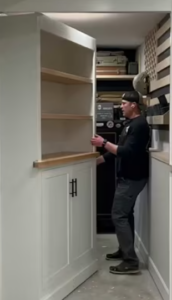 Once a location has been chosen and a commercial frame installed, bolting in the safe is the next critical step. Safes come with pre-drilled holes designed for anchoring to a solid surface, and when combined with a commercial frame, these bolts provide maximum resistance against tampering or removal. Many experts recommend using heavy-duty anchor bolts that pass through the frame and into structural studs or concrete to prevent the safe from being pried loose. The safe should also be carefully aligned within the frame to ensure the door opens fully without obstruction and that the exterior finishes match surrounding surfaces for a seamless appearance. Concealing the safe behind shelving, cabinetry, or paneling can further protect it from prying eyes while maintaining the aesthetic integrity of the room.
Level Of Protection
Another consideration when building the ultimate built-in safe is the level of protection required. Modern safes offer a range of security features, including fireproofing, water resistance, and reinforced steel construction. Pairing a safe with a commercial frame maximizes physical security, while additional features like biometric locks or electronic keypads enhance access control. For those storing high-value items such as jewelry, important documents, or firearms, investing in a safe with high security ratings ensures peace of mind while deterring would-be intruders. The ability to integrate these features into a framed-out space without sacrificing room design makes built-in safes particularly appealing for homeowners seeking both security and discretion.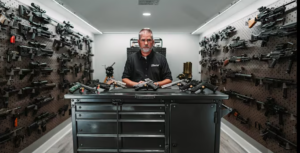
Long Term Benefits & Considerations
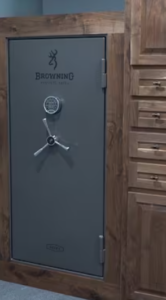 Proper installation also involves thinking about long-term access and usability. A built-in safe should be easily reachable for daily or occasional use but difficult enough to deter unauthorized access. It’s important to plan for cable routing if electronic locks are involved, ventilation for humidity control, and interior organization for storing valuables efficiently. By combining a commercial frame with precise bolting techniques, homeowners can achieve a secure and stable installation that balances safety with convenience. Ultimately, a well-built, framed-in safe becomes more than just a security measure—it is an integrated feature of the home that protects valuables while maintaining style and functionality. Proper planning, the right materials, and attention to detail make it possible to create the ultimate built-in safe that offers both strength and subtlety, ensuring peace of mind for years to come.